


Zaha Hadid was no ordinary architect she was a force of nature. Born in Baghdad in 1950, she went on to become one of the most celebrated and influential architects of the 21st century, winning the prestigious Pritzker Architecture Prize in 2004. Known as the “Queen of the Curve,” Hadid redefined how the world sees and experiences buildings.
The stuctures designed by zaha hadid are unlike anything else fluid, futuristic, and fearlessly unconventional. They challenge the rigid constraints of traditional architecture, replacing straight lines with sweeping curves, dynamic forms, and gravity-defying silhouettes. Her work was not just about creating buildings, but about crafting an experience turning concrete and steel into living, breathing art.
In this blog, we will explore ten of the most masterful stuctures designed by zaha hadid each one a testament to her creativity, vision, and genius. These projects span continents, purposes, and materials, yet they share one common trait: they are instantly recognizable as Zaha Hadid designs.
Heydar Aliyev Center – Baku, Azerbaijan
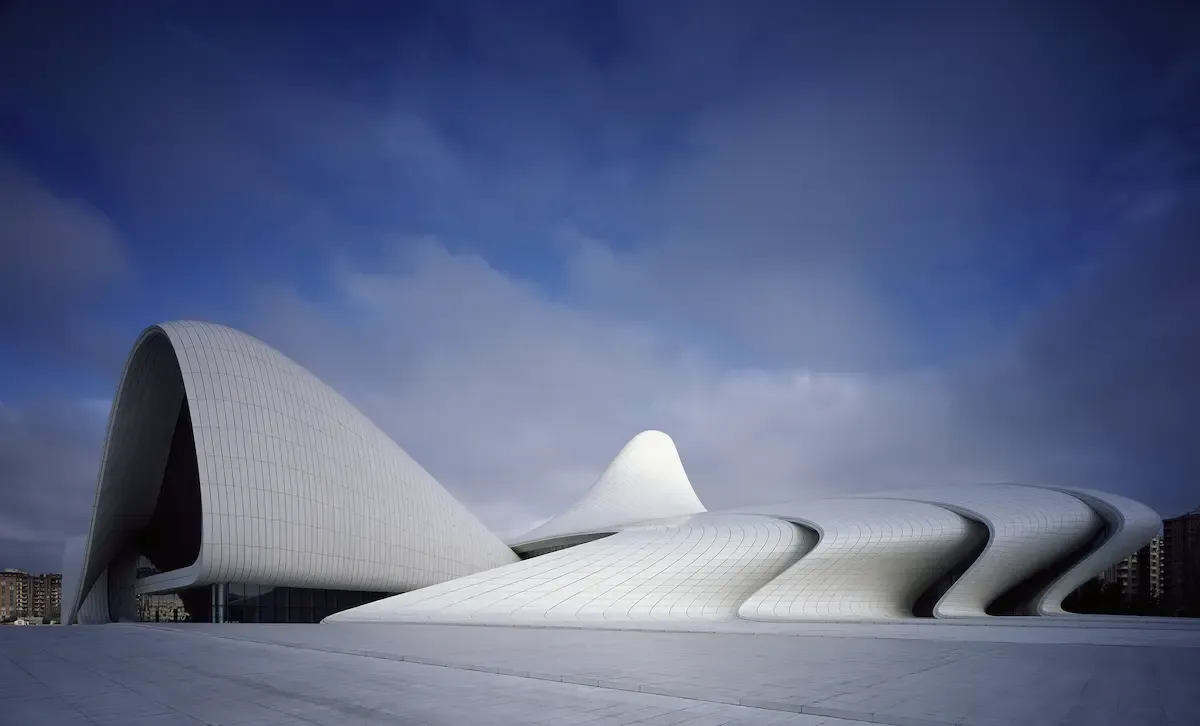
When people think of Zaha Hadid, the Heydar Aliyev Center is often the first image that comes to mind. Completed in 2012, this cultural center is a symphony of smooth curves, flowing seamlessly from ground to roof without a single visible edge. The design rejects the rigid Soviet-style architecture common in Azerbaijan, instead embracing an organic form that symbolizes progress and innovation.
The Heydar Aliyev Center houses a museum, auditorium, and gallery spaces, serving as a hub for arts and culture in Baku. The structure’s fluidity creates a sense of movement, as if the building itself is alive a hallmark of many stuctures designed by zaha hadid. At night, the illuminated curves glow against the city’s skyline, making it one of the most photographed buildings in the world.
MAXXI – National Museum of 21st Century Arts – Rome, Italy
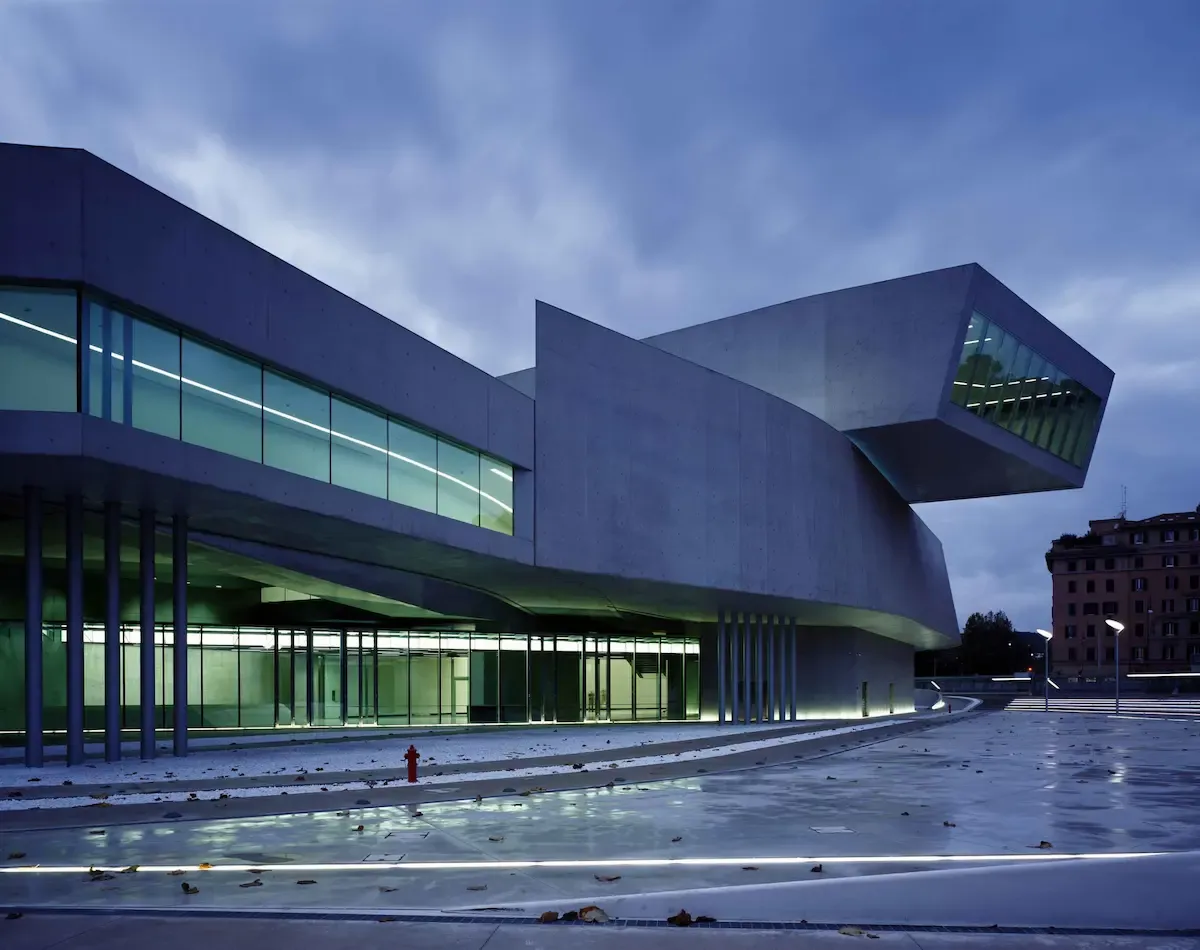
Opened in 2010, the MAXXI Museum in Rome was Zaha Hadid’s first major museum commission and a significant milestone in her career. It’s not just a place to display art it is art. The building’s dynamic interior features interwoven staircases, bridges, and corridors that guide visitors through the space in a fluid, almost cinematic experience.
Unlike many traditional museums with static layouts, MAXXI encourages movement and exploration. Its winding paths reflect the contemporary art it houses, breaking away from rigid museum conventions. This project firmly cemented Hadid’s reputation as a pioneer, proving that stuctures designed by zaha hadid could be as captivating as the works inside them.
Guangzhou Opera House – Guangzhou, China
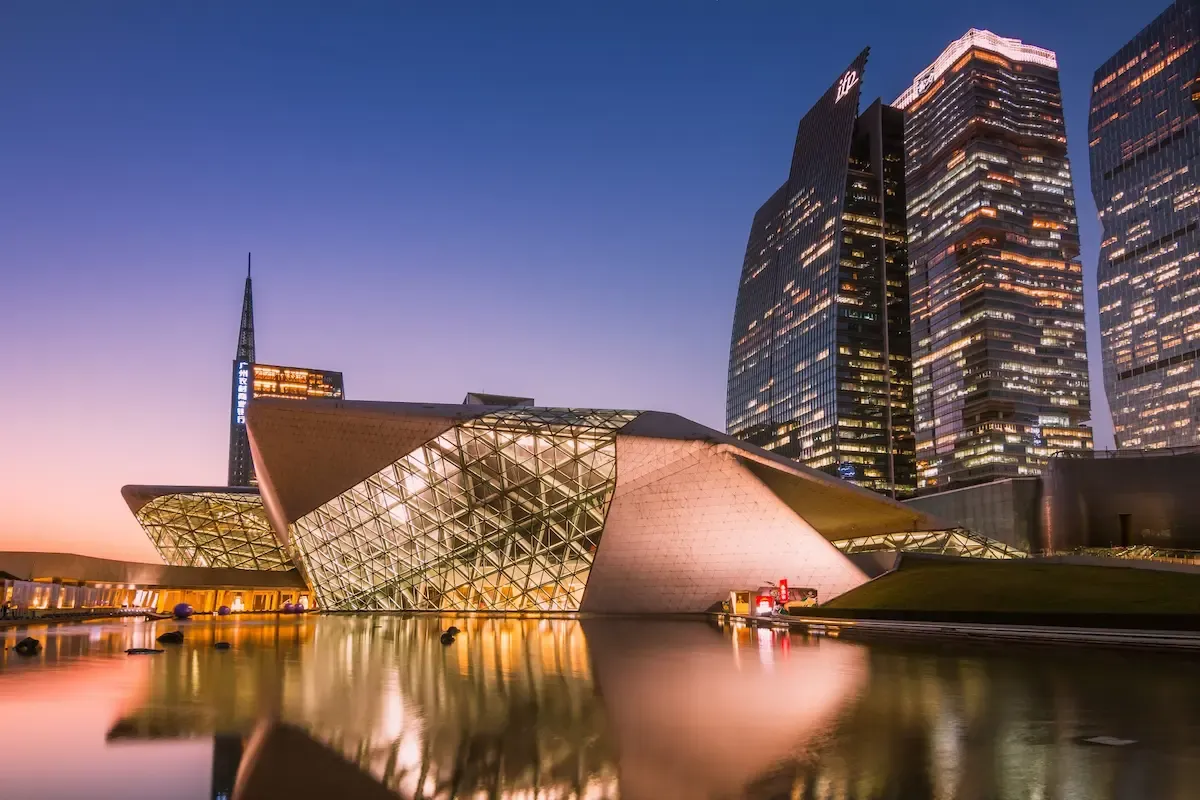
Completed in 2010, the Guangzhou Opera House is a cultural gem in southern China. Inspired by the smooth stones along riverbanks, Hadid designed the building as two “pebbles” shaped by the forces of nature. The larger “pebble” houses the main auditorium, while the smaller one contains a multifunctional performance space.
The exterior’s fluid forms blend harmoniously with the surrounding urban landscape, while the interior’s cutting-edge acoustics make it one of the finest venues for opera and theater in Asia. This is a prime example of stuctures designed by zaha hadid that marry artistic beauty with functional excellence.
Sheikh Zayed Bridge – Abu Dhabi, UAE
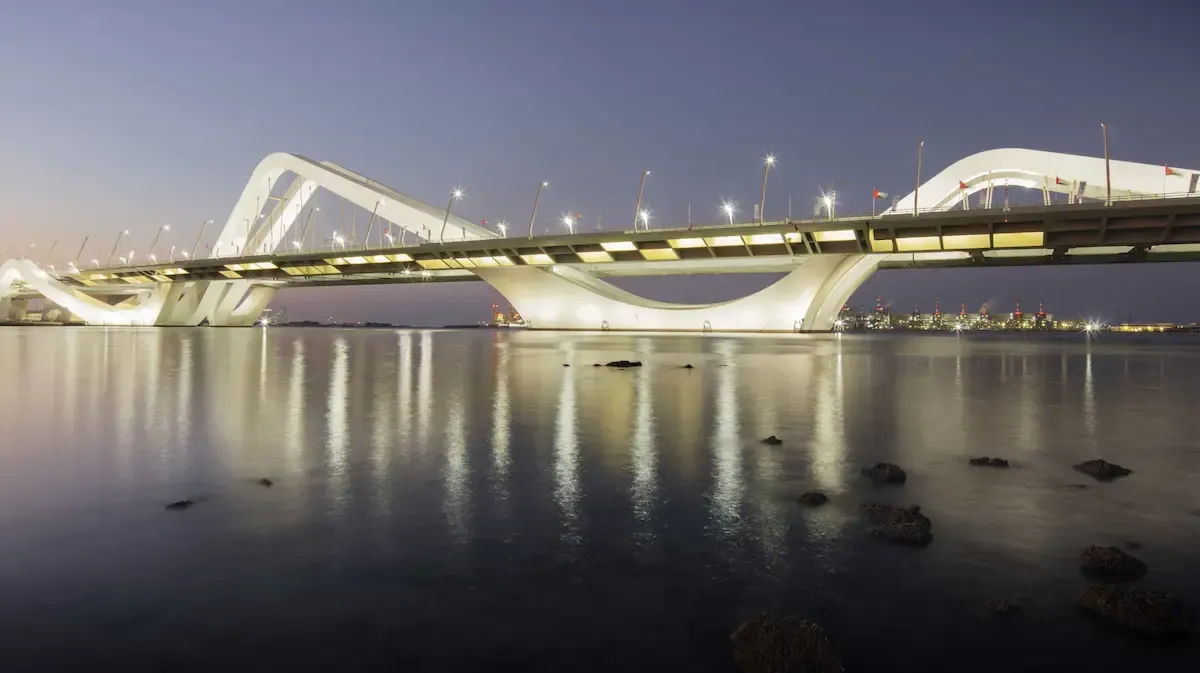
The Sheikh Zayed Bridge, completed in 2010, is more than a transportation link it’s a sculptural landmark. The bridge’s sweeping wave-like design mirrors the undulating sand dunes of the UAE desert, while its lighting system transforms it into a glowing ribbon at night.
Zaha Hadid approached this project with the same artistry she applied to museums and cultural centers. The result is a bridge that is both functional and poetic a rare feat in civil engineering. As with many stuctures designed by zaha hadid, it redefines what a piece of infrastructure can be.
London Aquatics Centre – London, UK
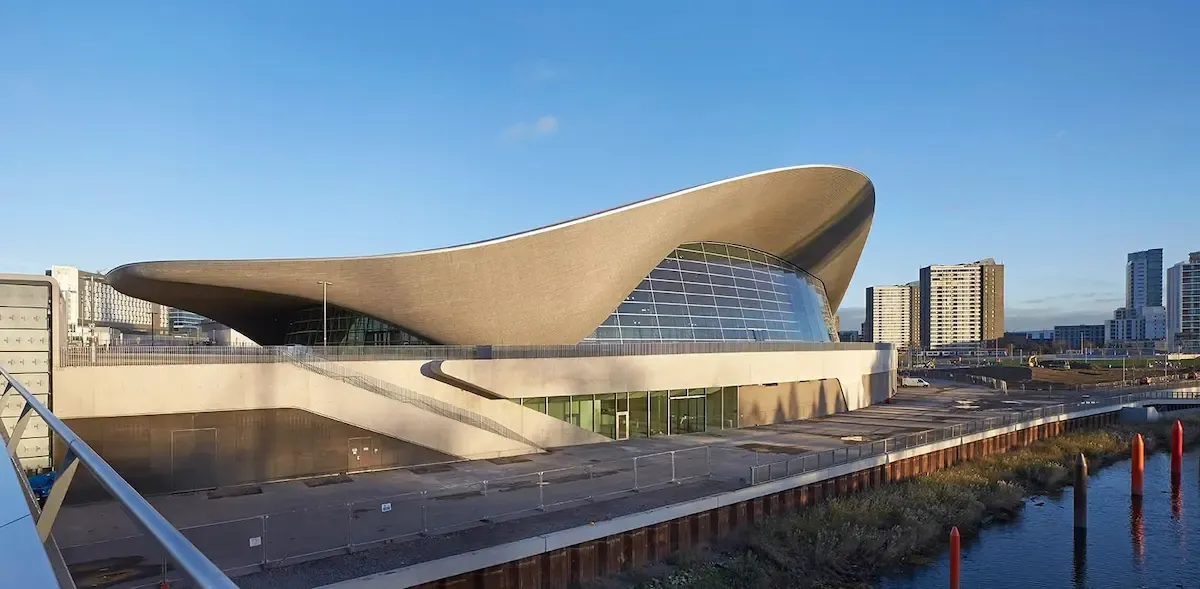
Built for the 2012 Olympic Games, the London Aquatics Centre is a striking example of Hadid’s ability to capture the essence of a space through form. The roof, inspired by the fluid motion of water, sweeps dramatically over the pools, creating a sense of movement even when the venue is still.
Post-Olympics, the building was transformed into a public facility, making it a lasting gift to the community. This project shows that stuctures designed by zaha hadid can balance high-profile international events with long-term usability.
Dongdaemun Design Plaza – Seoul, South Korea
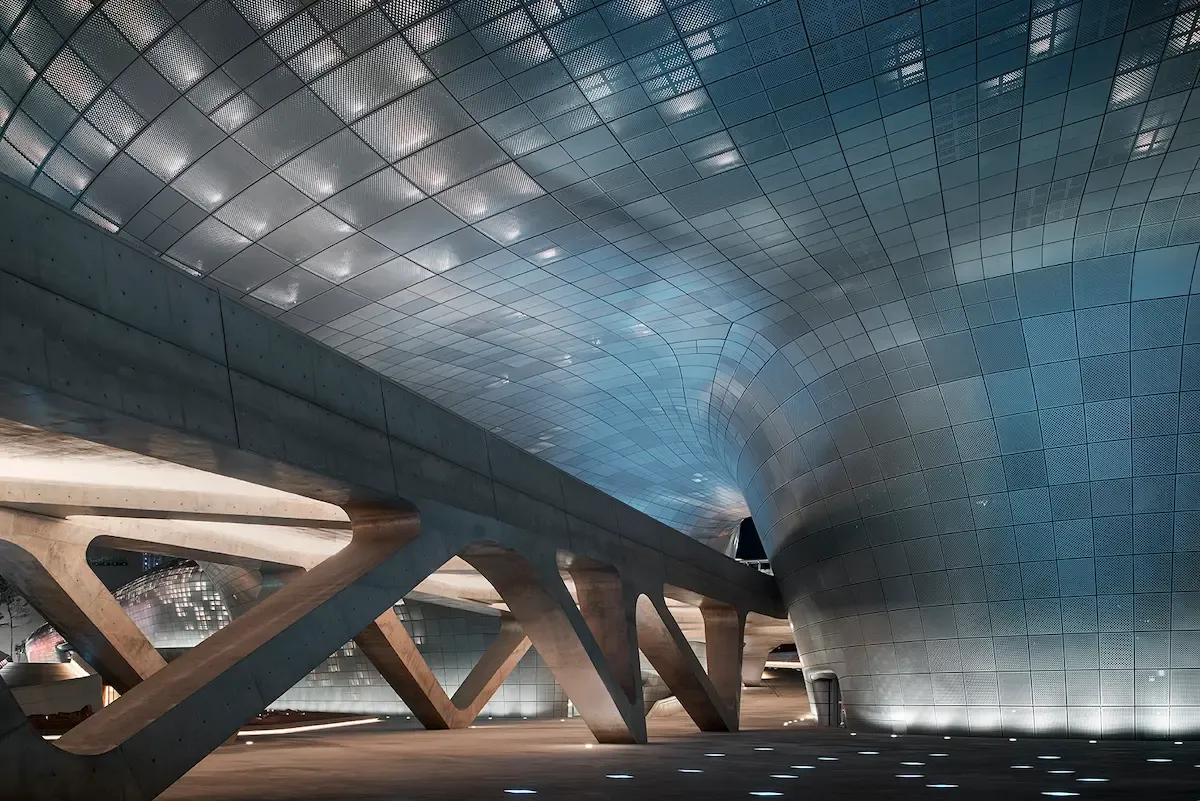
The Dongdaemun Design Plaza (DDP), completed in 2014, is one of Seoul’s most recognizable landmarks. Its metallic curves and futuristic aesthetic make it feel like something out of a science fiction film. The DDP serves as a hub for fashion, design, and cultural events, and its open public spaces invite people to gather and explore.
The structure is covered in thousands of aluminum panels, each uniquely shaped to fit its curved surfaces. This technical feat reflects the precision and ambition characteristic of stuctures designed by zaha hadid.
Vitra Fire Station – Weil am Rhein, Germany
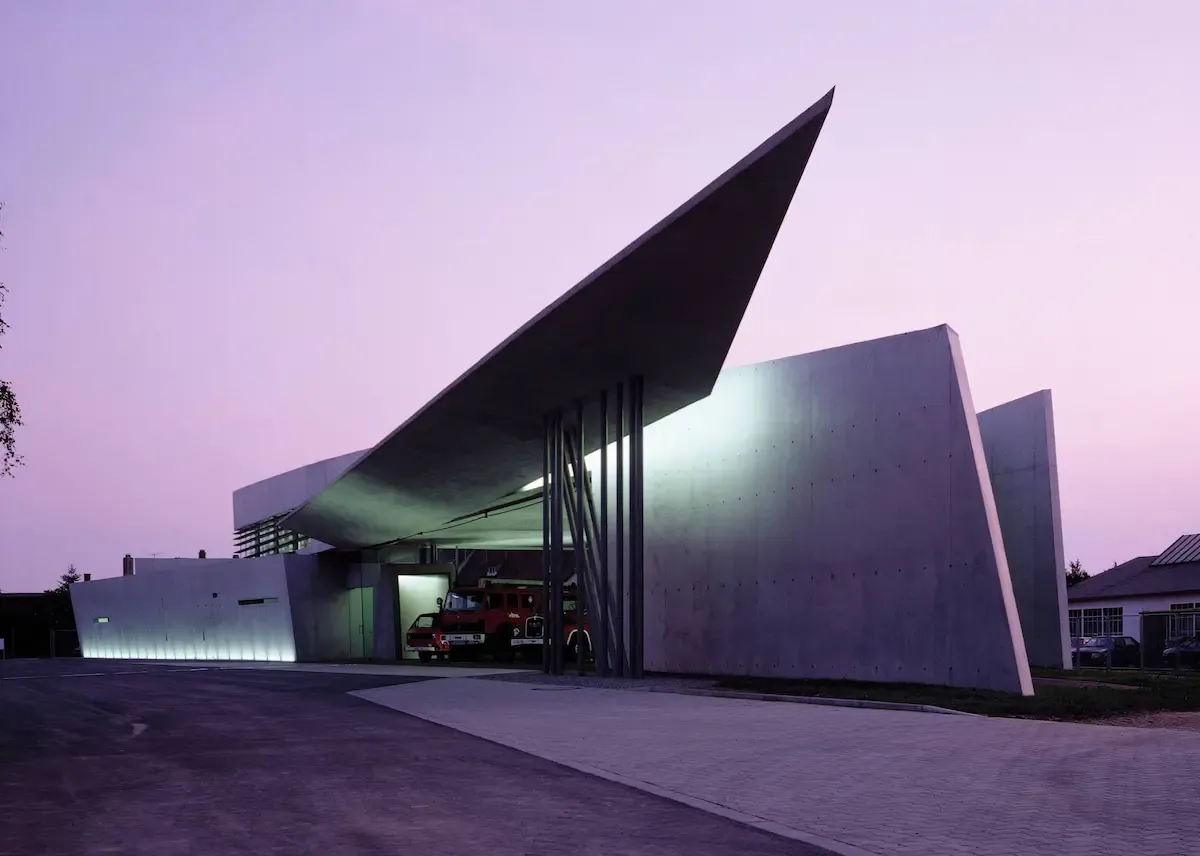
The Vitra Fire Station, completed in 1993, was Zaha Hadid’s first built project and a pivotal moment in her career. Its angular, fragmented form was a departure from the more organic shapes she later became famous for, but it still showcased her willingness to break away from architectural norms.
Though it no longer functions as a fire station, the building is now a museum piece in its own right, a reminder of the bold beginnings of one of the world’s most visionary architects.
Port House – Antwerp, Belgium
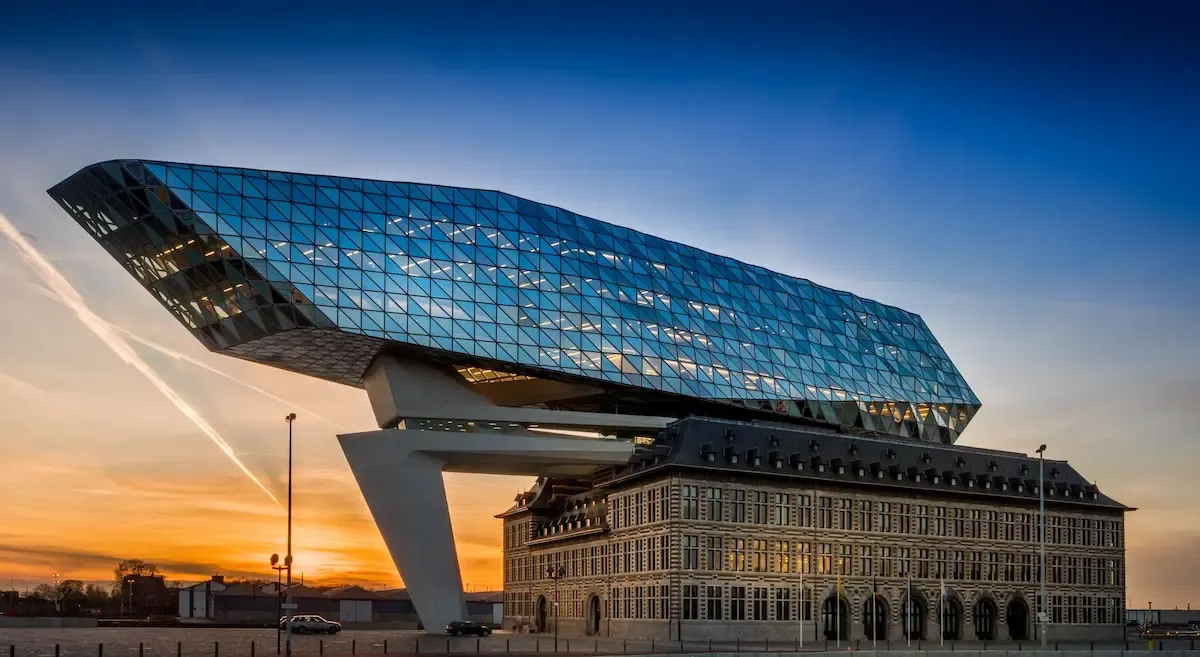
Completed in 2016, the Port House is a stunning blend of old and new. The original fire station building is topped with a glittering glass structure resembling a diamond a nod to Antwerp’s status as a diamond trade center. The upper section appears to float above the historic building, supported by an intricate steel framework.
This project exemplifies how stuctures designed by zaha hadid often merge historical context with contemporary innovation.
Sheikh Zayed National Museum – Abu Dhabi, UAE (Under Construction)
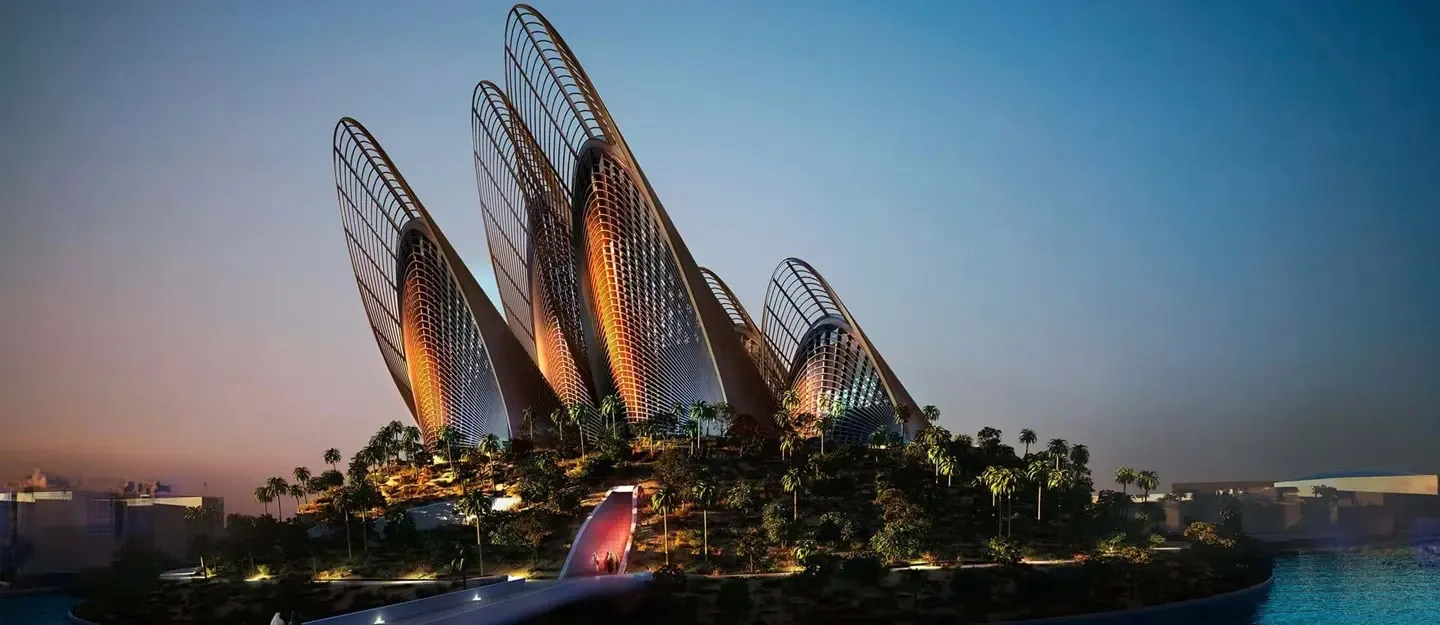
Set to be one of the UAE’s most iconic cultural landmarks, the Sheikh Zayed National Museum is inspired by the wings of a falcon, the national bird of the UAE. The design incorporates sustainable technologies and will serve as a space to celebrate Emirati culture and history.
Even in its incomplete state, it is already recognized as one of the most ambitious stuctures designed by zaha hadid.
Galaxy SOHO – Beijing, China
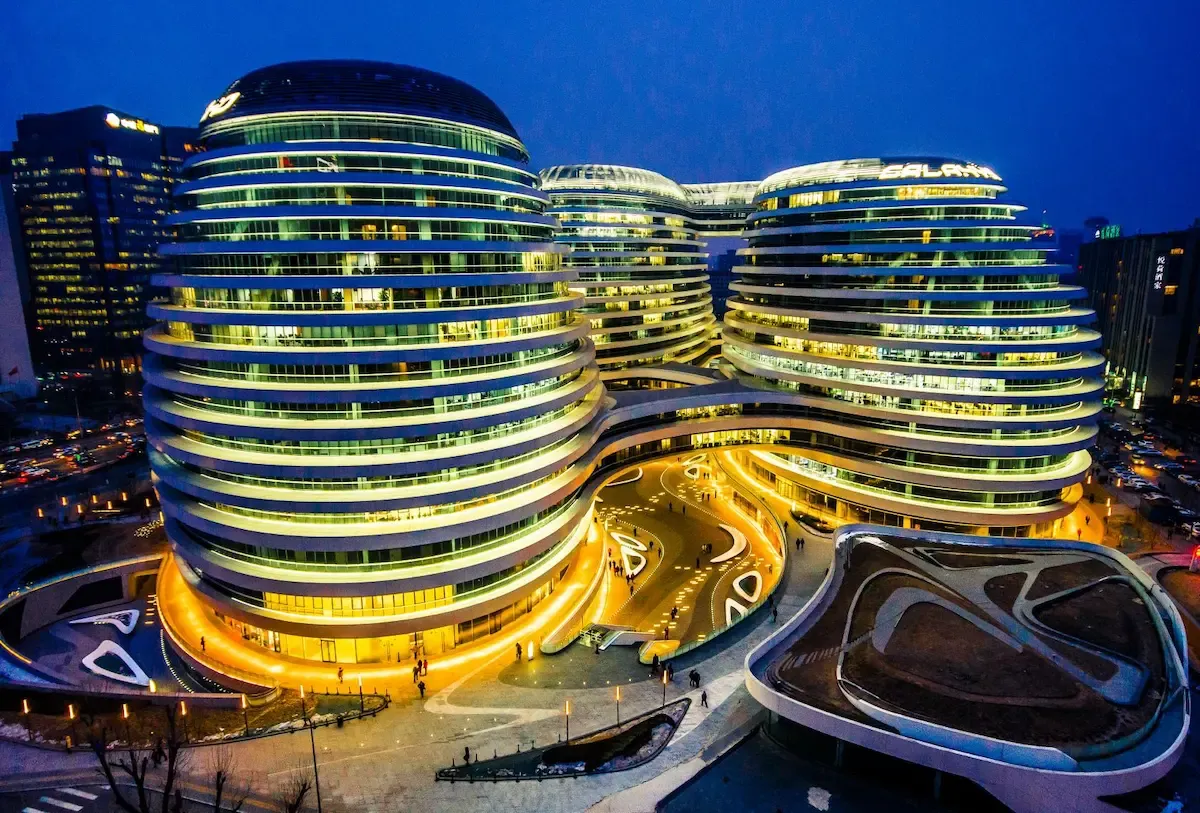
Galaxy SOHO is a massive commercial complex completed in 2012, consisting of four domed structures connected by smooth bridges and platforms. The design eliminates sharp corners, creating a continuous flow between the spaces. Offices, retail stores, and entertainment venues are woven seamlessly together, making it a living, breathing urban hub.
As one of the most visually captivating stuctures designed by zaha hadid in Asia, it perfectly encapsulates her belief that architecture should create a sense of discovery and engagement.
Zaha Hadid’s Enduring Impact
Zaha Hadid’s career was defined by daring experimentation and a refusal to conform. She transformed architecture from static construction into fluid art, inspiring countless architects to push beyond conventional boundaries.
The stuctures designed by zaha hadid do more than stand as physical spaces they embody ideas, emotions, and movement. They challenge our perceptions of what buildings can be, and they remind us that architecture can tell stories, shape experiences, and even inspire entire cities.
Even after her passing in 2016, her legacy continues through Zaha Hadid Architects, the firm she founded, which carries forward her bold vision. Her influence will be felt for decades, as cities around the world continue to celebrate and preserve her groundbreaking work.
labels.related_blogs


14 December, 2025
Pros and Cons of Living in Downtown Dubai 2025

12 December, 2025
Dubai Metro Blue Line: Everything You Need to Know


03 October, 2025
Ultimate Guide to Power of Attorney for Property in Dubai


22 September, 2025
Common Mistakes to Avoid When Selling Your Home

18 August, 2025
Love Lake Dubai: A Traveler’s Essential Information

08 July, 2025
Top 10 Communities for Family Living in Dubai (2025)
Share This